How to Make Money With AI Agents: 7 Real Ways to Earn
Humans have always turned a new resource into a new way to earn. We found oil in the ground and built fuel, plastics, and entire industries on top of it. We found electricity and built a century of manufacturing and consumer products around it. Every one of those cycles rewarded the people who put the new resource to work early, not the people who waited for a "safe" moment to start.
AI is the same pattern showing up again, just faster. It isn't a threat to how you earn, it's raw material, the same way oil was raw material before anyone built a refinery.
Who This Is For
- Freelancers and side-hustlers who want a real, provable way to earn with AI, not another idea list.
- Small-business owners who want AI to generate leads or handle client-facing work.
- Anyone who wants to package AI agents as a paid service for other businesses.
Key Points
- There are real, working ways to make money with AI beyond freelancing and content, and most "AI side hustle" lists stop before the highest-leverage one.
- Lead generation is one of the most in-demand, sourced pain points AI is expected to solve for small businesses today.
- Building and selling AI agents as a service has real, documented income behind it, not hype numbers.
- Client acquisition, not the build itself, is what most people underestimate.
- SketricGen's Brand Agent templates let you build a working agent in minutes, without writing code.
Most guides to making money with AI stop at "freelance with ChatGPT" or "sell AI art." Those work, but they're crowded, low-ceiling, and every top-ranking page already covers them the same way. The real opportunity is treating AI agents as a sellable product: build one that solves a specific problem, prove it on your own business, then package it for clients.
This guide covers 7 real ways to make money with AI, tested against what's actually working (not what sounds good in a headline), and built on real SketricGen templates you can deploy today.
**No coding required:**Every template referenced in this guide is a no-code SketricGen Brand Agent. You configure it with plain-language instructions, not code. Technical skills help if you want a fully custom build later, but they aren't required to start.
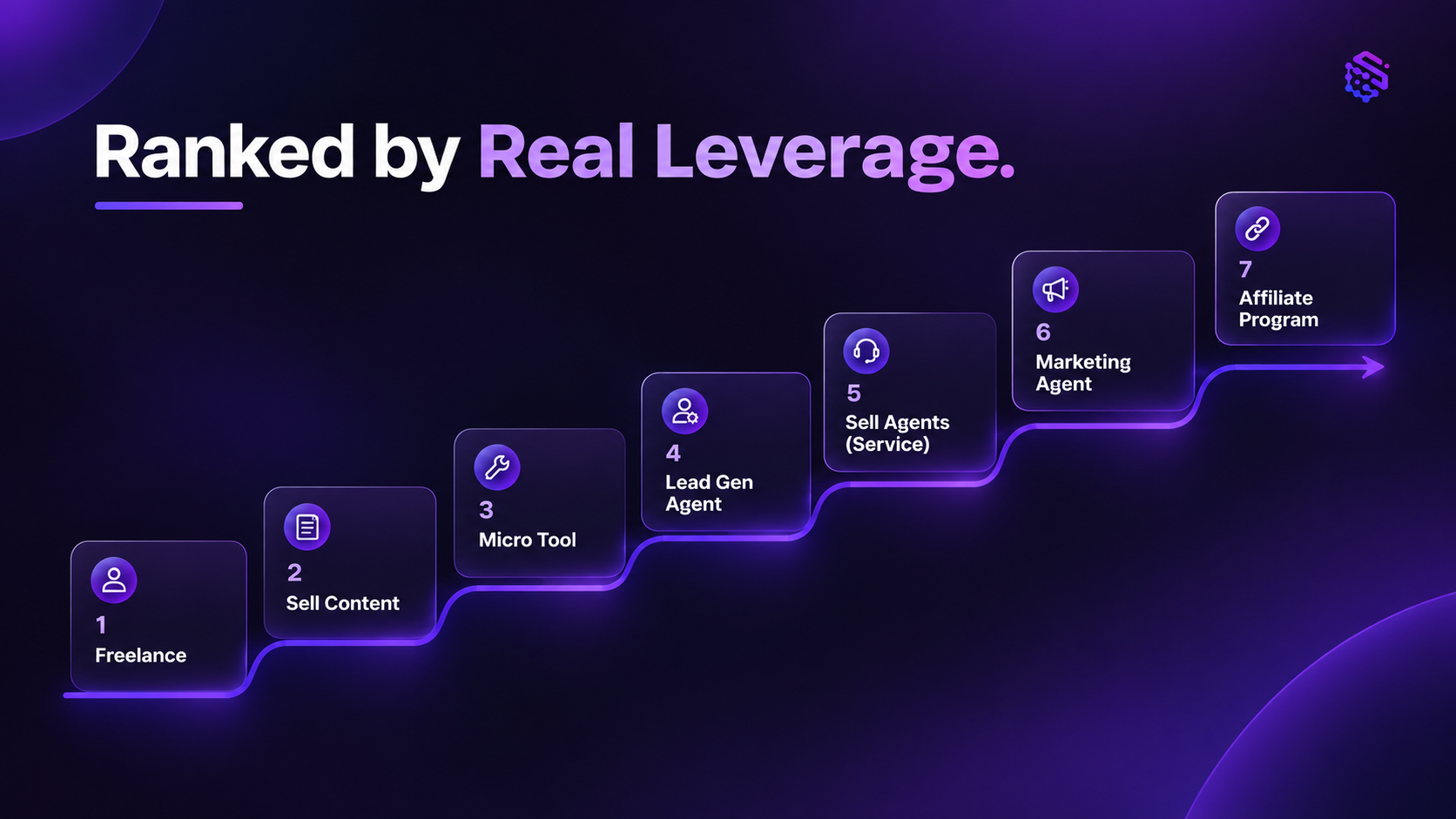
1. Freelance With AI Tools
The most common starting point. Writers, designers, and editors use AI to move faster on gigs they already do, then sell that speed on Upwork, Fiverr, or direct client work.
It works, but it's the most saturated option on this list. AI overviews and search results for "make money with AI" are dominated by gig-platform mechanics: fee structures, freelancer signup guides, tax compliance. That's a sign the space is crowded, not that it's broken.
Use freelancing as a starting point to build proof of work, not as the ceiling.
2. Sell AI-Generated Content or Digital Products
Print-on-demand designs, stock photos, templates, and short-form content are a valid, low-effort income stream. Margins are thin per unit, and most of this market is race-to-the-bottom pricing because the barrier to entry is close to zero.
Treat this as supplemental income, not a primary plan, unless you already have an audience to sell into.
3. Build and Sell a Micro AI Tool or Automation
One step up from content: build a small, no-code automation (a scraper, a report generator, a simple chatbot) and sell it as a one-off to a single client or on a marketplace.
This is the bridge to the real opportunity below. Once you've built one working automation, you already have the skill set to build and sell a full AI agent instead of a one-off script.
4. Use AI Agents to Generate Leads for Your Own Business
Lead generation shows up constantly in Reddit and Quora threads about AI and automation, and it's one of the clearest, most in-demand use cases for AI agents right now. If you run any kind of service business, this is the fastest way to turn an AI agent into direct revenue.
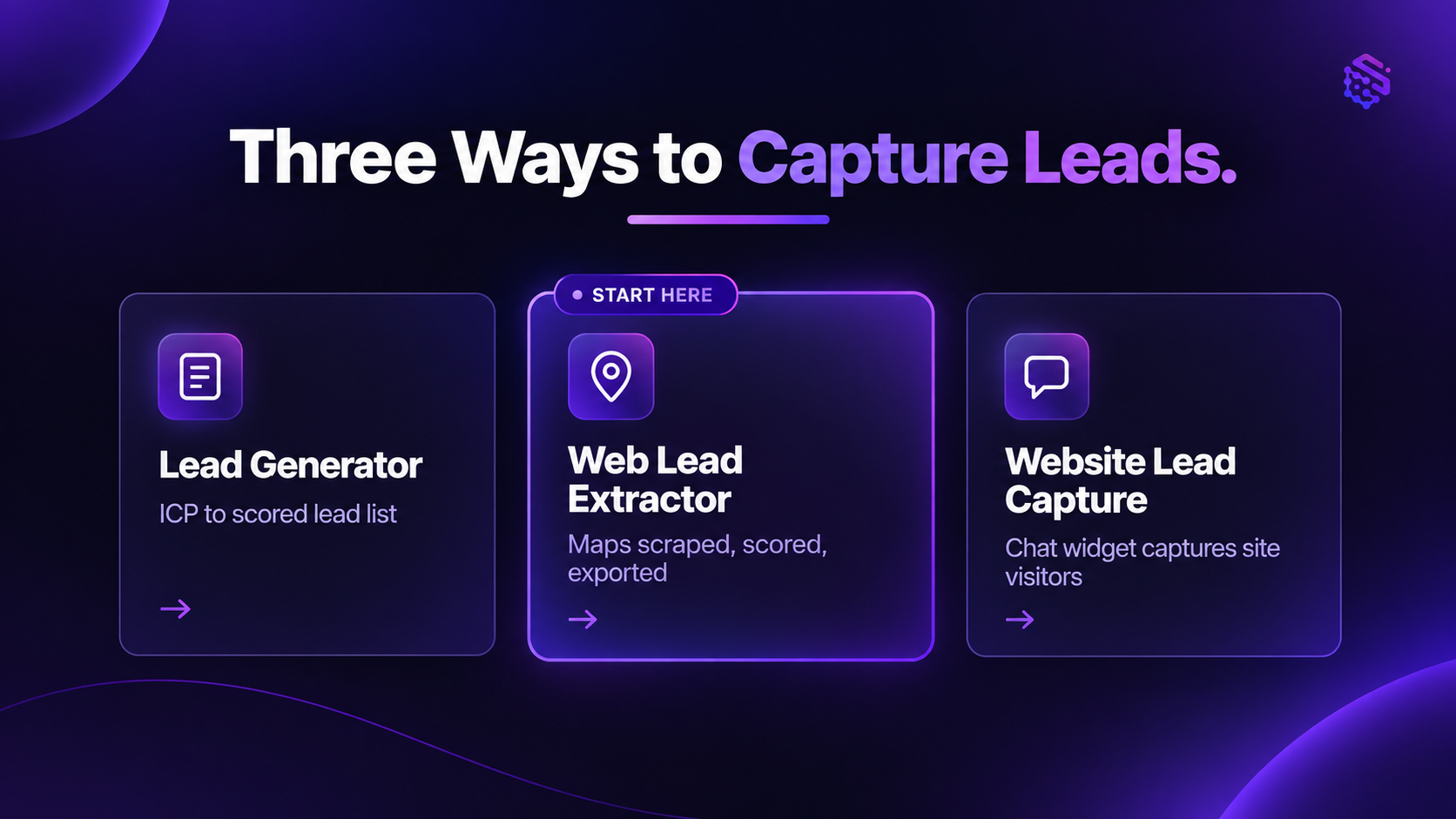
Three SketricGen templates cover this directly:
| Template | What it does | Best for |
|---|---|---|
| Lead Generator | Turns a plain-language ICP into a capped, evidence-scored B2B lead list, written to Google Sheets after your approval | Agencies, B2B founders, freelance consultants, SDRs |
| Web Lead Extractor | Scrapes Google Maps for local businesses matching your ICP, scores and dedupes them, exports to CSV | Sales/SDR teams, agencies building client lead lists, local prospecting |
| Website Lead Capture | Turns your website into a chat widget that answers visitor questions and proactively shows a lead form when it spots buying signals | Small business and solopreneur site owners, agencies deploying for clients |
5. Build and Sell AI Agents as a Service to Clients
This is the differentiator most "make money with AI" content skips entirely. Instead of freelancing your own time, you build one working agent, prove it solves a real problem, and sell it as a repeatable service to multiple clients.
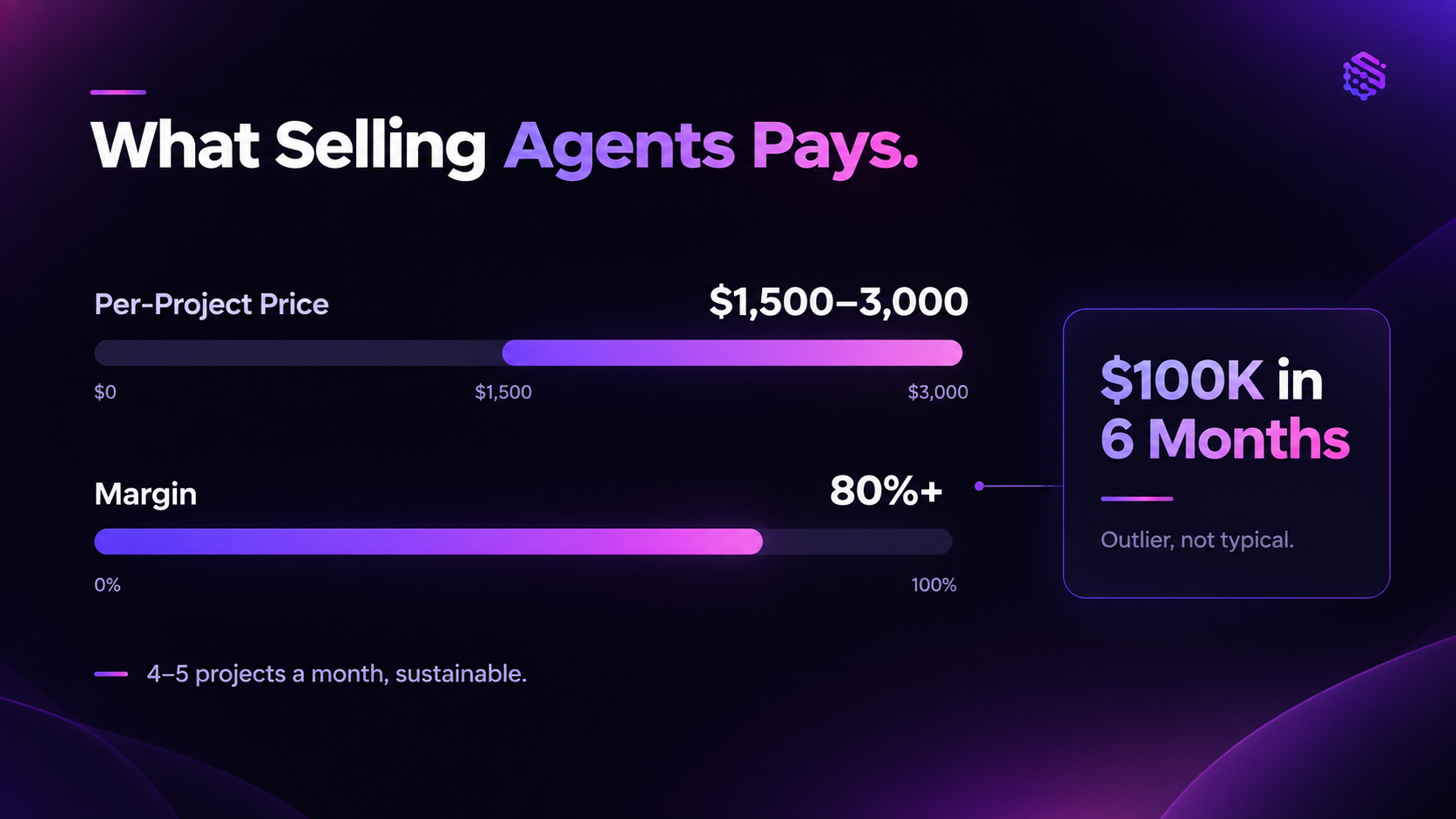
A freelancer who built a full-stack AI agent charging setup fees plus a monthly retainer reported earning over $100,000 in under six months. That's not a typical outcome, but it shows the ceiling on this model is far higher than freelancing your own hours.
A more common, replicable pattern: flat-rate AI agent implementations priced at $1,500 to $3,000 per project, built over a weekend, with margins above 80%. At four to five projects a month, that's a real, sustainable service business.
Client-facing templates that make this concrete:
- AI Receptionist: learns a business's website, answers FAQs, and books demos directly on the client's calendar. Setup takes 5 to 10 minutes.
- WhatsApp AI Agent: answers customer questions on WhatsApp from the brand's knowledge base and escalates to a human when it doesn't know the answer.
- Instagram DM Automation: auto-replies to Instagram DMs for ecommerce and creator accounts, built for brands that sell through Instagram.
6. Run AI-Powered Marketing and Content as a Client Service
Alongside client-facing support agents, marketing and content agents are a second, distinct service line. Small businesses need consistent content and campaign management, and most can't afford a full-time marketer.
| Template | What it produces | Best for |
|---|---|---|
| LinkedIn Post Generator | On-brand LinkedIn posts with a generated image card, saved to Google Drive | Founders building a personal brand, marketing and social agencies |
| Brand Content Creator | Researched campaign copy with inspected visual assets, grounded in the client's brand files | Small-business marketers, ecommerce and social teams |
| SEO Blog Writer | A full SEO-ready blog post, from topic and keywords to a finished Google Doc | Content marketers, founders, SEO teams |
| Google Ads Performance Manager | An audit of live Google Ads performance with ranked, approval-gated optimization actions | PPC teams, agencies, small businesses running paid ads |
Package two or three of these together as a "done-for-you marketing agent" retainer, and you're selling outcomes, not tools.
7. Join the SketricGen Affiliate Program
If you'd rather refer than build, SketricGen's affiliate program is the lowest-effort option on this list. One affiliate earned over $200 in six weeks from a single 30-second demo video, no client delivery required.
This pairs well with any of the service models above: show a prospect a template in a demo, and if they'd rather try it themselves than hire you, the affiliate link still earns.
How Much Can You Realistically Make With AI?
It depends entirely on which of the 7 ways above you pick, and most of the income numbers you'll see quoted online are outliers, not typical outcomes.
At the low end: Way 1 (freelancing) pays roughly what existing gig-platform rates already pay, and Way 7 (the affiliate program) is the smallest and slowest of the seven — one affiliate reported over $200 in six weeks from a single 30-second demo video.
At the high end: one freelancer built a full-stack AI agent business to over $100,000 in under six months, on setup fees plus monthly retainers. That's a documented outcome, not a typical one.
The realistic middle, and the pattern most people can actually repeat, is Way 5: flat-rate agent builds priced at $1,500 to $3,000 per project, with margins above 80%. Land four to five of those a month and that's a real, sustainable business, without needing an outlier story.
Treat any single number you see quoted online as a ceiling to work toward, not a starting expectation.
How to Get Your First Clients
Across Reddit and Quora, the same pattern shows up again and again: finding paying clients is harder than building the agent. A handful of practical fixes come up repeatedly:
- Niche down to one offer. "I build AI agents" is forgettable. "I set up an AI receptionist for dental practices that stops missed-call no-shows" is not.
- Engage where the problem already lives. "Engage in comments, groups, forums, and local business pages" outperforms cold email or LinkedIn spam, because you're responding to a stated problem instead of guessing at one.
- Lead with the fix, not the tech. When you see someone complain about missed calls, slow replies, or manual lead follow-up, the pitch is "I built something that fixes this exact problem for another business. Want me to show you?"
Common Mistakes to Avoid
Mistake I've seen repeatedly: A freelancer completed a $5,800 custom AI build and the client disappeared without paying. The fix isn't complicated: get a signed contract, split payment into milestones, and take a deposit before you start building.
- Skipping the contract. Verbal agreements and "I'll pay you when it's done" are how people lose thousands of dollars of work.
- Chasing oversaturated ideas. One practitioner tested 12 different "AI side hustles" over six months and found most of the popular ones were, in their words, oversaturated. Generic ideas mean generic competition.
- Selling the technology instead of the outcome. Clients don't buy "an AI agent." They buy fewer missed calls, faster replies, or more qualified leads.
What Practitioners Are Saying
Two patterns come up consistently across Reddit's r/AI_Agents and r/sidehustle communities and Quora threads on AI automation agencies.
What practitioners are saying: Client acquisition is the real bottleneck, not the AI skill itself. Builders with strong technical output still struggle to find their first paying client, and the advice that works is narrow positioning plus direct outreach into existing conversations, not broad marketing. What practitioners are saying: Generic "AI side hustles" are oversaturated, and a concrete, niche offer wins. The practitioners who report real income consistently point to one specific, well-defined service, not a general "I do AI stuff" pitch.Author's Take - Sam
Most "make money with AI" content treats AI as a tool you use inside a hustle you already have. I think that undersells it. The highest-leverage path I've seen work is treating one working AI agent as the product itself: build it, run it on your own business first, and only then sell the packaged version.
My rule of thumb: if you can't name the exact problem the agent solves and the exact business type it solves it for, you're not ready to pitch it. Start narrow. A receptionist agent for dental clinics will out-earn a generic "AI automation" offer every time, because the prospect can picture their own problem being solved before you finish the sentence.
Next Steps
Pick one way from this list, not all seven. If you already have a business, start with a lead-generation or client-support agent and prove it on yourself first. If you want to build a service business, start narrow: one template, one clear problem, one target industry.
Browse SketricGen's full library of agent templates to find the starting point that matches your situation, or join the affiliate program if you'd rather refer than build.
FAQs
Start with a template-based agent instead of building from scratch. Tools like SketricGen's Website Lead Capture or AI Receptionist can be set up in minutes without coding, so you can deploy something working on your own site or a friend's small business before you try to sell it to a stranger.
The lowest-effort option is referring rather than building: an affiliate program lets you earn from a template demo without any client delivery. For a slightly more active option, freelancing with AI tools on existing gig platforms has the lowest barrier to entry, though it's also the most saturated.
An AI side hustle is any part-time income stream where AI does most of the work: writing, content creation, freelancing, or running a small automation. Reddit practitioners who've tested many of these report that the popular, generic ones are oversaturated, and a specific, niche offer performs better than a broad one.
Build one working agent that solves a clear problem (lead capture, customer support, content production), prove it on your own business or a small pilot client, and then sell it as a flat-rate build plus a monthly retainer. This is different from general "AI side hustle" advice because you're selling a packaged outcome, not your time.
No. No-code agent-builder templates handle the underlying setup, so you configure an agent through plain-language instructions rather than writing code. Coding skills help if you want full custom builds, but they aren't required to start.
Outcomes vary widely and most published big numbers are outliers, not typical results. What's documented: one freelancer built a full-stack AI agent business to over $100,000 in under six months on setup fees and retainers, and a more common, replicable pattern is flat-rate $1,500 to $3,000 agent builds at 80%+ margins. Treat any single number as a ceiling to work toward, not an expected outcome.
Deploy a lead-generation agent that matches your ideal customer profile against a live data source (Google Maps listings, company data, or your own website traffic) and scores or captures leads automatically. This replaces manual prospecting hours with a continuously running process, and it's one of the most consistently requested use cases for AI automation among small businesses.
Related blogs
View more
AI Agents for Small Business: What Actually Works at 1-20 People
use cases
Website Lead Capture: How to Turn Silent Visitors Into Leads With an AI Chatbot
use cases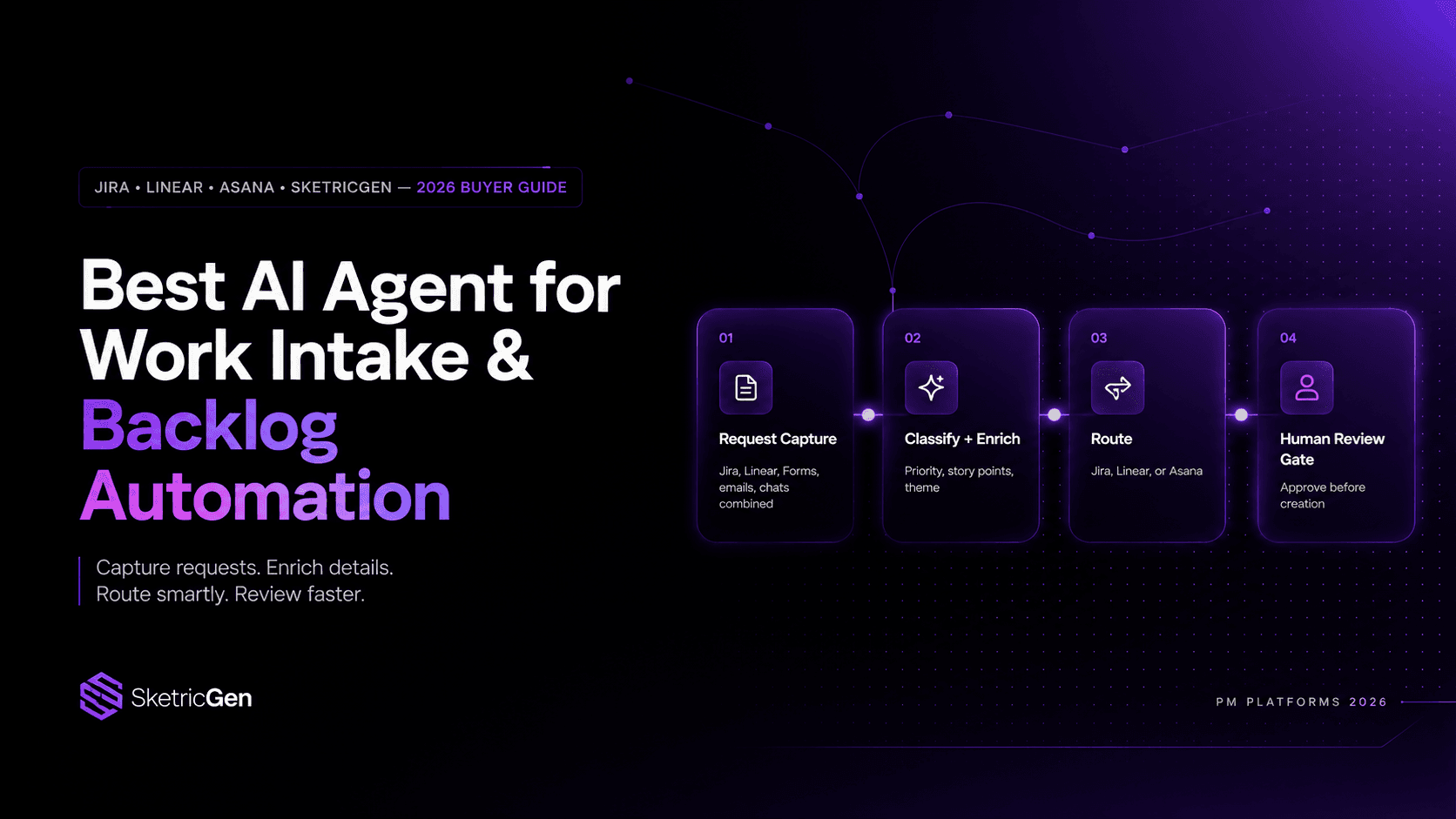
Best AI Agent for Work Intake & Backlog Automation in PM Platforms (2026)
use cases
How to Reduce Customer Churn with AI: Stop Losing Customers
use cases