Best AI Agents for Project Management in 2026
Introduction: How Are AI Agents Redefining Project Management in 2026?
AI agents for project management are transforming how teams plan, execute, and deliver projects. As organizations face growing complexity, these AI-powered tools are moving beyond basic automation. By 2026, autonomous agents are orchestrating sprints, automating ticket triage, and optimizing resources with remarkable precision. This marks a new era—where agents are not just assistive, but goal-driven collaborators that reduce manual overhead and improve delivery reliability.
If you’re exploring the “how” of automation, learning about an AI workflow builder is foundational—especially as project managers seek ways to connect tasks across tools without code.
It’s not just hype. According to Gartner’s prediction on task-specific AI agents, 40% of enterprise applications will feature embedded, purpose-built AI agents by 2026 (up from less than 5% in 2025). That’s a massive leap in adoption and capability.
Why Should Project Managers Use AI Agents Now?
Project managers today deal with distributed teams, data overload, and constant coordination pressure. AI agents help solve these challenges by summarizing progress, flagging risks, and ensuring accountability through cross-platform orchestration.
By leveraging these intelligent agents, teams achieve measurable outcomes:
- Faster cycle times
- Clearer ownership
- Fewer missed handoffs
- More reliable delivery
As highlighted in AI Agents in 2025: Trends, Stats, and Real-World Impact, these tools don’t replace humans—they amplify focus and reduce distractions.
Research like this MDPI review on AI in project management shows that AI agents can enhance predictability and agility. However, not all implementations succeed—Reuters cites Gartner’s warning that 40% of agentic AI projects may be abandoned by 2027 due to poor fit or “agent-washing.” The key: focus on outcomes, not just implementation.
What Can Modern Project Management AI Agents Actually Do?
Modern AI project management tools deliver context-aware capabilities that drive value across every project stage.
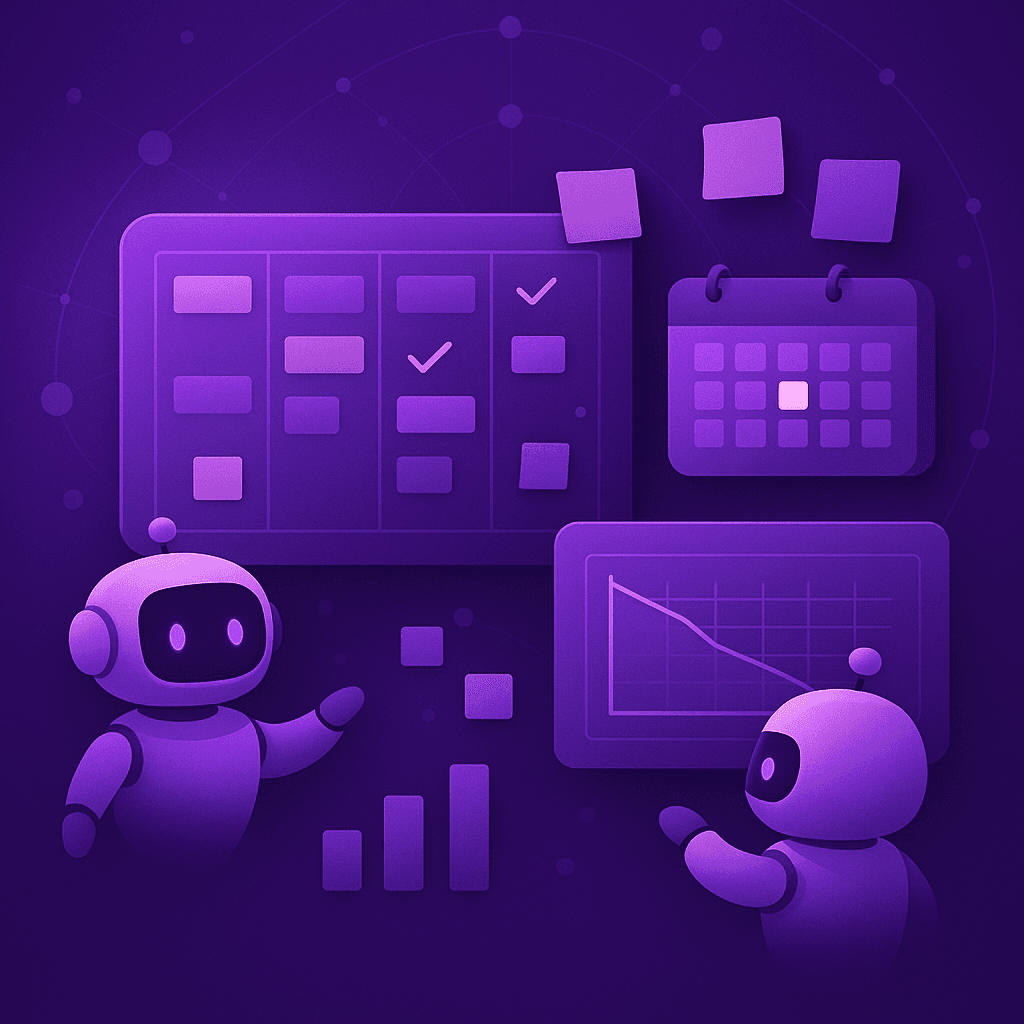
1. Sprint Planning AI
Uses predictive analytics to prioritize backlogs, estimate workloads, and optimize capacity—reducing planning time and improving focus.
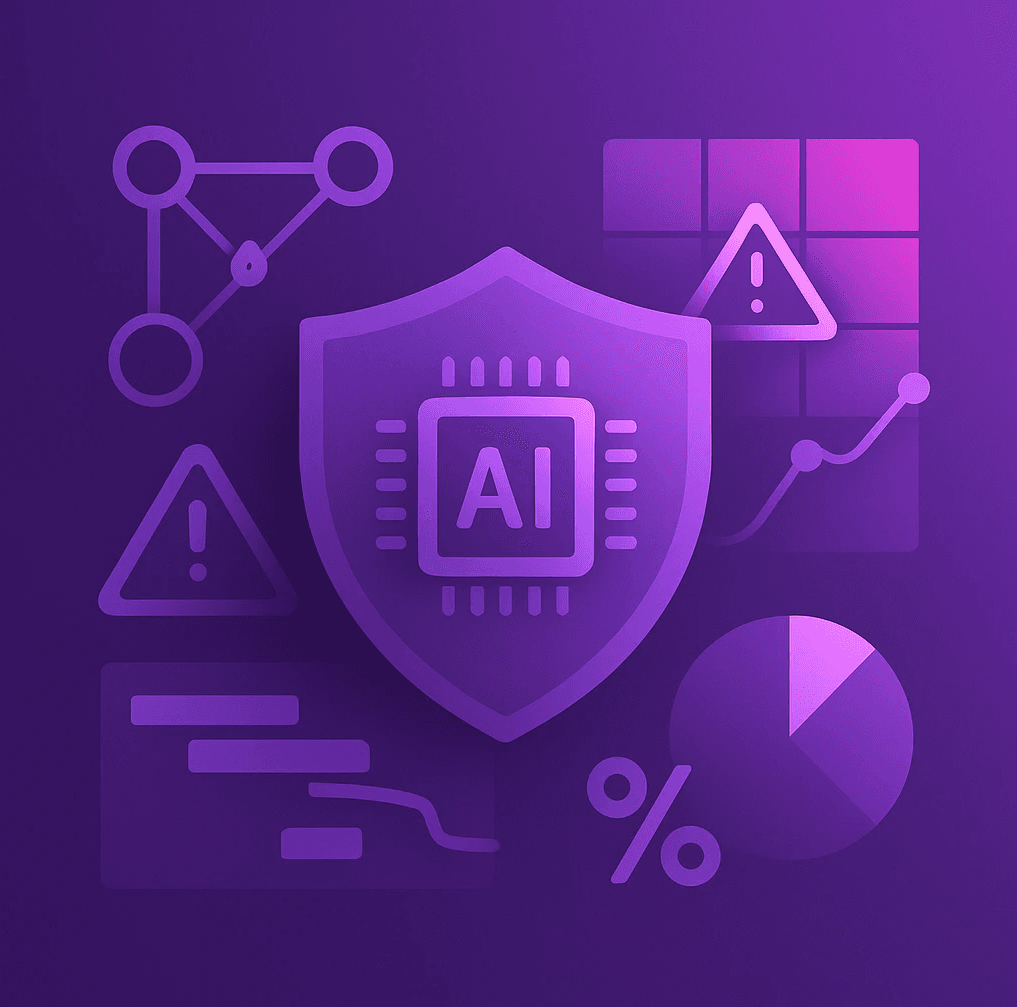
2. Risk Management AI
Maps dependencies, predicts slippage, and recommends mitigation steps before issues escalate. Predictive models help teams act before problems arise.
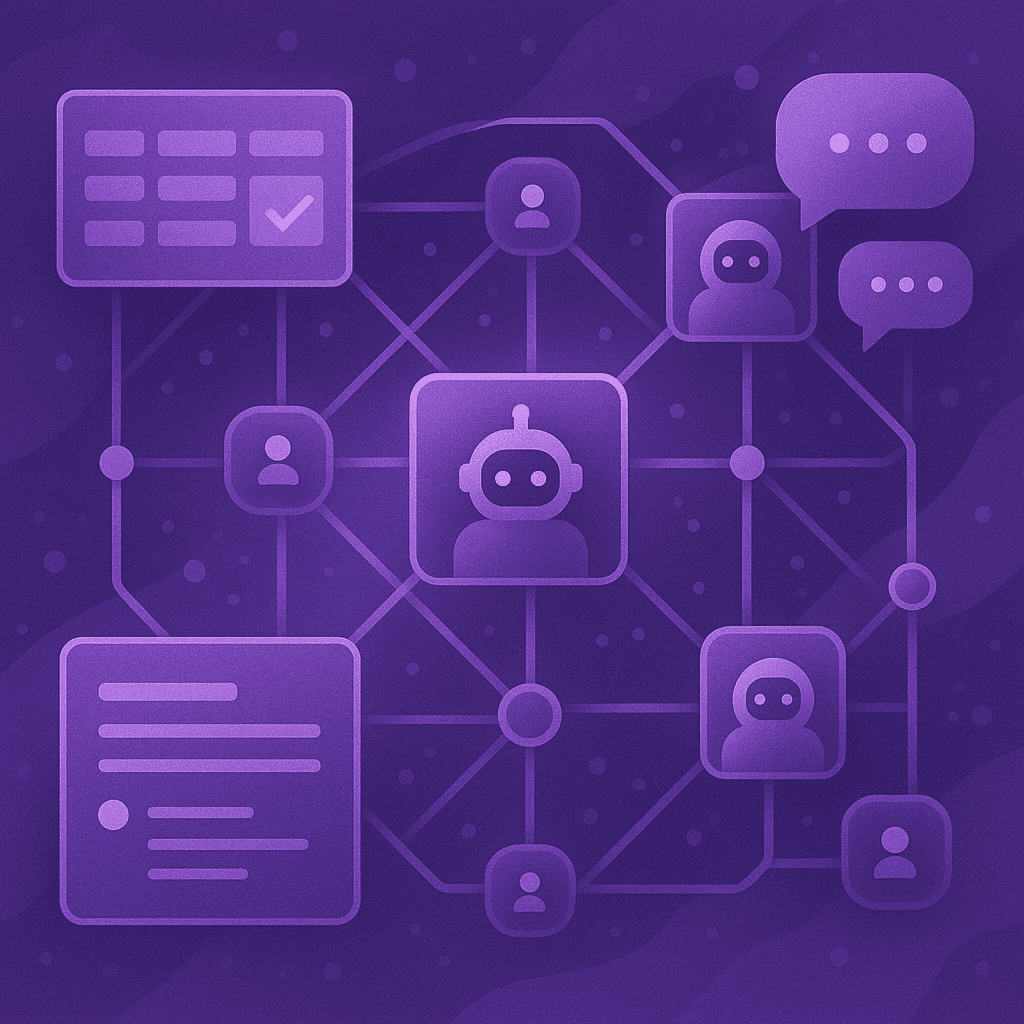
3. Multi-Agent Collaboration (MCP)
Multiple specialized AI agents—each handling scheduling, documentation, or communication—collaborate seamlessly to manage workflows across tools.
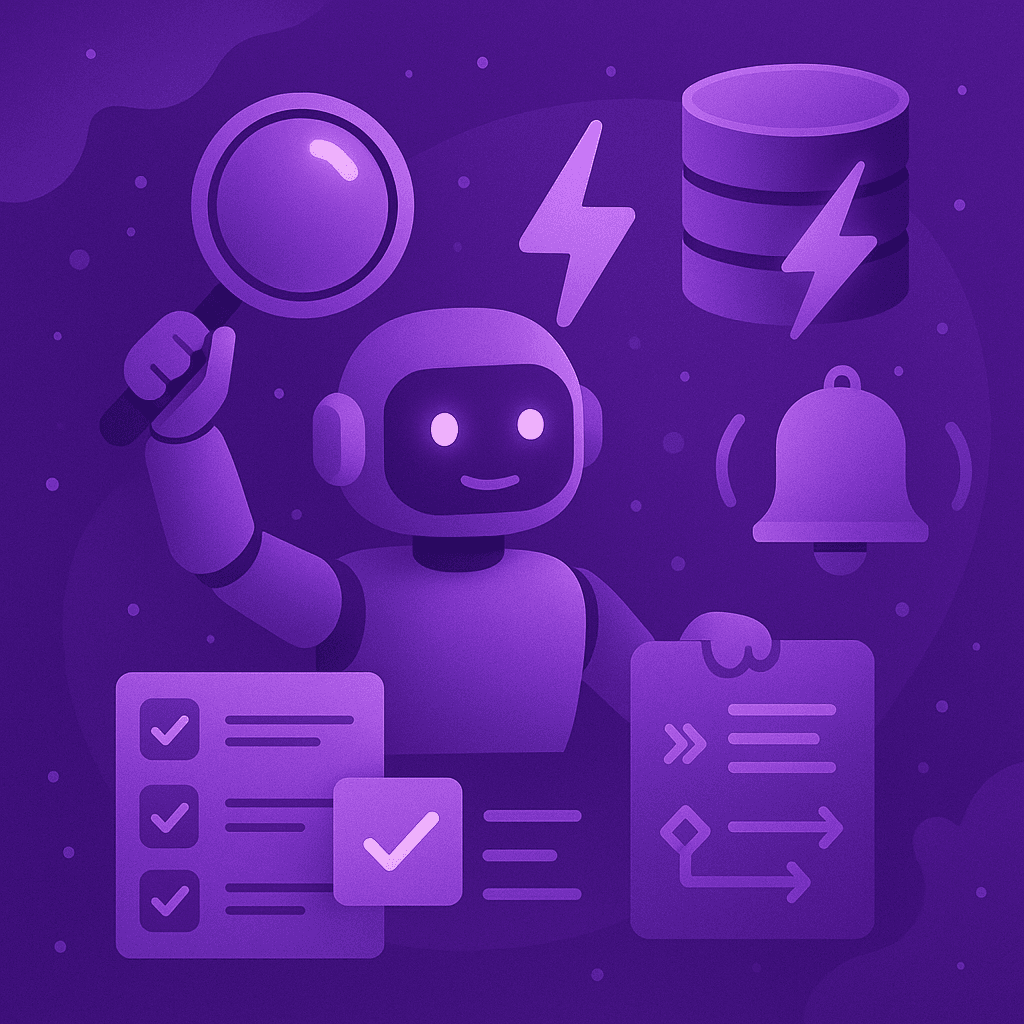
4. Knowledge + Action
Agents now merge insight with execution. They find information, update tickets, send notifications, and trigger workflows—all autonomously.
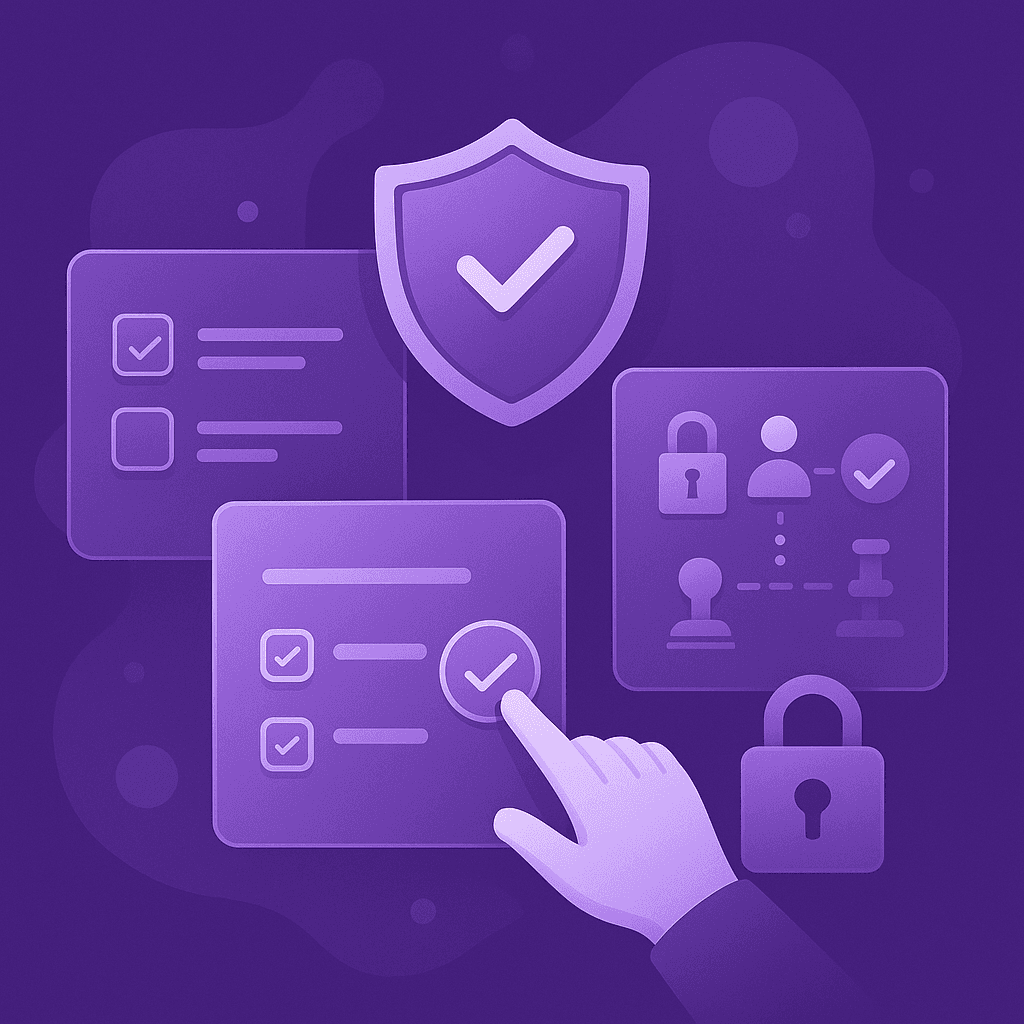
5. Governance & Controls
Enterprise-grade AI agents include human-in-the-loop controls, audit trails, and permissions to ensure trust and compliance.
To explore how agents are redefining teamwork, check out The Future of Workplace Communication: AI Agents in Collaboration Tools.
Also, MDPI’s SLR on AI in PM highlights improvements in cost, duration, and risk—while the Gartner Hype Cycle lists AI agents among the top innovations of 2025.
What are the use-cases of Project Management AI Agents?
AI agents provide operational leverage across several project dimensions:
1. Planning & Estimation
Automates sprint creation, detects blockers, and balances workloads for better forecasting.
2. Execution & Handoffs
Keeps tickets current, nudges owners, escalates blockers, and automates reporting.
3. Status & Reporting
Delivers real-time dashboards, summaries, and daily digests without manual updates.
4. Risk & Quality
Predicts risks, surfaces potential schedule impacts, and suggests data-driven fixes.
5. Knowledge & Onboarding
Acts as an internal mentor for new team members—answering “how do we…” questions and running SOPs for faster onboarding.
For real examples, see AI in Research: How Analysts Use AI Agents Efficiently.
Also, IBM’s AI workflow overview explains how seamless integration between action and orchestration is driving the next evolution of project AI.
Best AI Agents for Project Management in 2026
Here’s a snapshot of the top AI project management tools shaping the landscape in 2026:
1) SketricGen
Pros
- No-code, multi-agent orchestration with a visual builder that makes it easy for anyone to create workflow automation.
- Deep integrations across 3,000+ tools, including Slack, WhatsApp, WordPress, and Shopify.
- Built for AI-powered business workflows — from sprint planning to ticket triage and automated reporting.
- Designed for rapid deployment with ready-made templates for different industries.
- Real-time collaboration and explainable AI layers for safer enterprise use.
Con
- Currently most optimized for small to mid-sized teams rather than complex enterprise deployments.
2) Asana AI Teammates
Pros
- Assignable AI “teammates” that actively manage tasks and deliver updates in context.
- Leverages Asana’s Work Graph for full project visibility, understanding relationships between goals, tasks, and dependencies.
- Learns from user feedback, evolving its recommendations and workflows over time.
- Comes with built-in governance, transparency, and audit trails for enterprise compliance.
Cons
- Works best for organizations already using Asana’s ecosystem.
- Advanced agent customization features are still being rolled out.
3) Jira + Atlassian Rovo Agents
Pros
- Configurable AI agents that can search, chat, and take actions directly across Jira, Confluence, and JSM.
- Streamlines task creation, ticket management, and knowledge retrieval.
- Built for enterprise-level auditability with robust permissioning and tracking.
- Custom skills and automations can be created through low-code or no-code workflows.
Cons
- Delivers maximum value inside the Atlassian ecosystem; limited reach outside it.
- Enterprise pricing tiers may restrict access for smaller teams.
4) monday AI
Pros
- AI-driven automation for ticket triage, sentiment analysis, and workload forecasting.
- User-friendly interface ideal for teams that value visual dashboards and quick onboarding.
- Supports AI-powered summaries and auto-generated updates across boards.
- Flexible and scalable across use cases like CRM, marketing, and project delivery.
Cons
- Some advanced AI features require higher-tier plans.
- Mobile and complex dashboard experiences may vary depending on team size.
5) Wrike Copilot
Pros
- AI Copilot assists in task prioritization, scheduling, and real-time Q&A about project status.
- AI Risk Prediction automatically flags potential delays and risks before they occur.
- Excellent reporting and visualization features built around Wrike’s Work Intelligence.
- Built-in enterprise-grade governance and user permissions.
Cons
- Predictive insights improve over time; limited historical data may reduce early accuracy.
- Best suited for mid-to-large enterprises due to setup complexity.
6) ClickUp AI (ClickUp Brain)
Pros
- AI assistant integrated across tasks, docs, and chat for a unified project experience.
- Supports automated summaries, meeting notes, SOPs, and updates in natural language.
- Custom agents can be trained to answer workspace-specific questions.
- Ideal for startups and SMBs wanting fast AI adoption.
Cons
- Some features (like Autopilot) require paid AI plans.
- Dependent on data organization for optimal results.
7) Notion Projects + Notion 3.0 Agents
Pros
- Real autonomous agents that can plan, execute, and document projects directly inside Notion.
- Integrates with Notion databases and pages for real-time updates.
- Seamlessly connects documentation with automation — perfect for hybrid knowledge + task management.
- Clean UI with customizable dashboards for cross-functional teams.
Cons
- Some agent functionalities are still in phased rollout for users.
- Best suited for teams already using Notion for project management.
8) Smartsheet AI
Pros
- AI-enhanced spreadsheets for formula generation, summaries, and predictive reporting.
- Great for enterprises seeking structured, governed automation.
- Improves visibility with AI-generated charts and dashboards.
- Easy integration with existing enterprise systems.
Cons
- Less autonomous than dedicated AI agent platforms — more of an assistive model.
- Custom automation may require setup through advanced templates.
9) Relevance AI Workforces
Pros
- Lets users build multi-agent “workforces” to automate full operational workflows.
- Visual editor allows non-technical users to configure agents, actions, and sequences.
- Excellent for data-heavy teams needing analysis, enrichment, and reporting automation.
- Scalable architecture supports thousands of concurrent agent executions.
Cons
- Requires process mapping and testing before deployment.
- Learning curve can be steep for new users unfamiliar with multi-agent design.
10) Make AI Agents
Pros
- Combines no-code workflow automation with adaptive reasoning for complex tasks.
- Seamlessly connects 2,000+ apps and thousands of pre-built actions.
- Excellent for teams seeking flexible cross-app automation with AI context awareness.
- Transparent visual debugging and logging for AI actions.
Cons
- Still in beta — features and pricing may evolve.
- Some advanced AI reasoning tasks may require manual configuration.
11) Zapier Agents
Pros
- Lets you deploy autonomous agents across 8,000+ apps using templates and pre-built pods.
- Supports transparent monitoring with dashboards and logs.
- Allows chaining multiple agents together for multi-step processes.
- Best for quick, scalable automation without code.
Cons
- Currently in open beta; some advanced features are still stabilizing.
- Limited deep context reasoning compared to full agent platforms.
12) n8n AI Agents
Pros
- Open-source automation platform giving teams full control over data and deployment.
- Supports AI agent templates, ReAct models, and advanced logic control.
- Can be self-hosted or hybrid, offering maximum customization and security.
- Excellent for technical teams needing deep observability and governance.
Cons
- More setup and maintenance effort compared to SaaS-based tools.
- Requires some technical know-how to optimize advanced workflows.
How Do I Choose the Right Project Management Agent Stack?
When selecting AI project management tools, look beyond flashy features. Consider:
- Automation depth – Do you need assistants or autonomous multi-agent systems?
- Explainability & Controls – Prioritize clear approvals, sandboxing, and transparency.
- Integrations – Check compatibility with dev tools, CRMs, and chat platforms.
- Security & Compliance – Ensure strong data governance and RBAC.
- Team Fit & TCO – Evaluate ramp-up effort and total cost of ownership.
A no-code AI workflow builder can dramatically accelerate your deployment timeline. As McKinsey emphasizes, transparency is essential for enterprise-scale adoption.
Building Custom Project Management Agent Workflows with SketricGen (No-Code + Multi-Agent)
SketricGen empowers teams to design custom, no-code project workflows using multi-agent orchestration. From sprint planning and automated reporting to risk management, everything can be governed and deployed visually—without code.
Its 2,000+ app integrations make complex automations accessible to non-technical teams, ensuring faster adoption and compliance by design.
Learn more in What Is an AI Workflow Builder.
What’s Next for PM? From Assistants to Autonomous Patterns
The next phase of project management will be defined by AI agents that act as the connective tissue across apps—automating updates, cross-app execution, and enabling measurable ROI. However, governance remains key to prevent “agent-washing” and ensure sustainability.
As Gartner warns, 40% of agentic AI projects could fail without proper governance frameworks.
Conclusion: Ship Faster With Less Risk
AI agents for project management are no longer a future concept—they’re today’s competitive advantage. They accelerate delivery, improve reliability, and unlock measurable productivity gains across every stage of the project lifecycle.
Explore more trends in AI Agents in 2025: Trends, Stats, and Real-World Impact, and start building your agent-powered workflows on SketricGen.
FAQs
AI agents automate repetitive tasks, optimize resource allocation, and provide predictive analytics. They improve sprint planning accuracy, reduce manual updates, and proactively manage risks.
A no-code platform lets users build and customize workflows visually—no coding required. SketricGen leverages multi-agent collaboration and automation to integrate seamlessly with existing tools.
Yes. Modern agents use predictive models for risk assessment and intelligent triage, ensuring reliability in complex, multi-agent environments.
Absolutely. Tools like SketricGen and ClickUp AI offer affordable, scalable solutions for sprint planning, automation, and reporting.
MCP refers to multiple specialized AI agents—each handling a unique task—working together across domains like planning, reporting, and communication to deliver orchestrated project execution.
Related blogs
View more
AI Agents for Small Business: What Actually Works at 1-20 People
use cases
Website Lead Capture: How to Turn Silent Visitors Into Leads With an AI Chatbot
use cases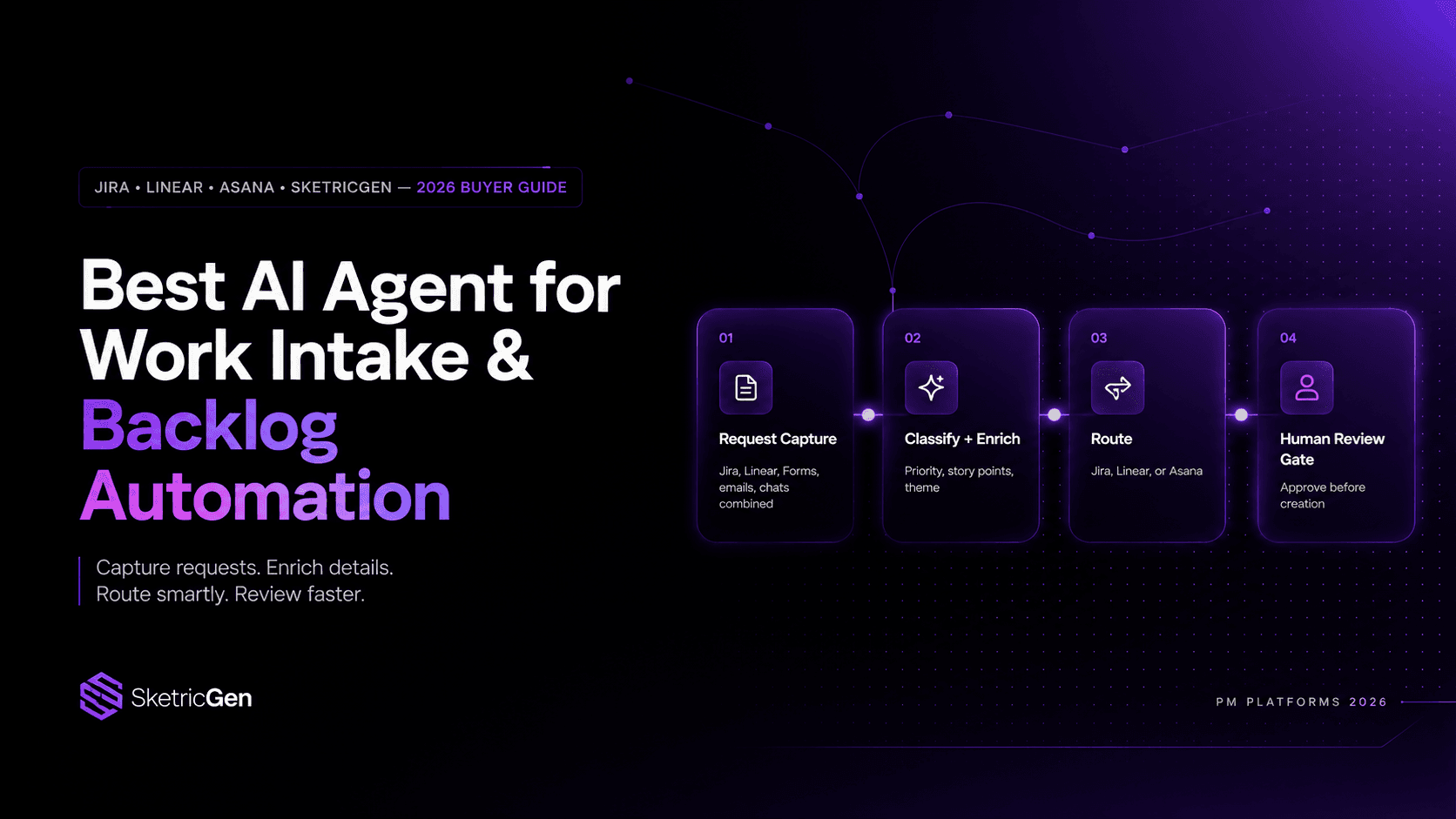
Best AI Agent for Work Intake & Backlog Automation in PM Platforms (2026)
use cases
How to Reduce Customer Churn with AI: Stop Losing Customers
use cases
How to Use AI Appointment Booking for Demos on Website
use cases